

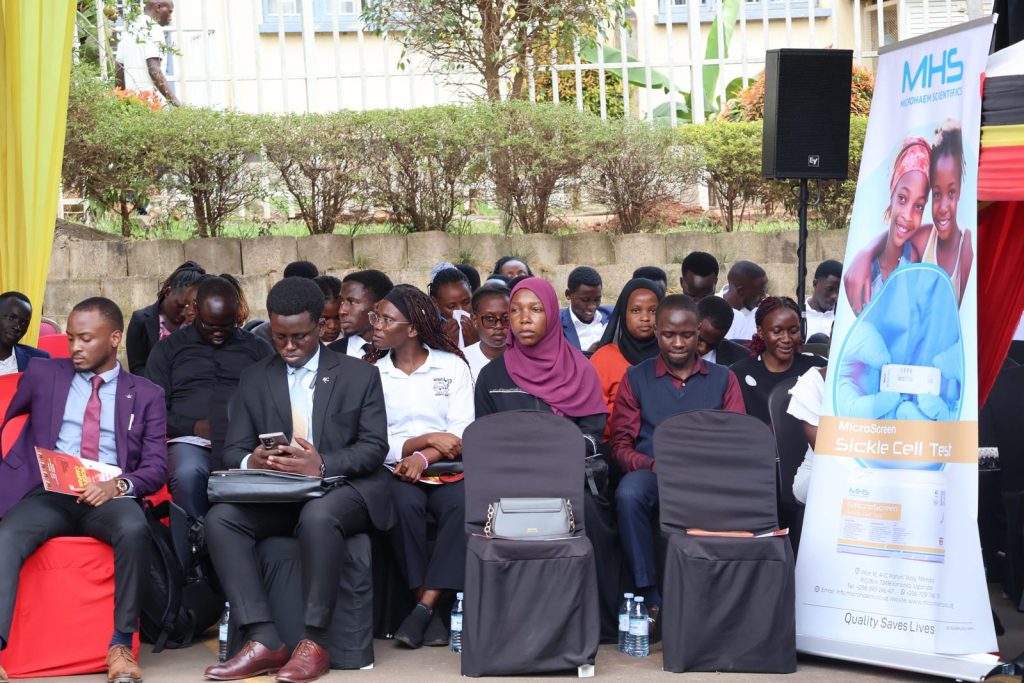
Empowering Young People to Know Their Genotype and Build Healthier Communities
When more than 80 universities, health training institutions, and institutions of higher learning from across Uganda came together under the Inter-University Health Ministers Consortium to launch a nationwide Sickle Cell Disease Screening and Awareness Campaign, Microhaem Scientifics (MHS) stood proudly as a key partner, providing locally manufactured diagnostics, technical expertise, and free genotype screening for more than 500 students.
Implemented in partnership with the Ministry of Health, the campaign is one of Uganda’s most ambitious student-led public health initiatives. At its heart is a simple but transformative message: preventing sickle cell disease begins with knowing your genotype.
The campaign was officially launched at the Ministry of Health Headquarters by Hon. Dr. Ayume Charles, State Minister for Primary Health Care, who served as the Chief Guest. He was joined by Prof. Charles Olaro, Director General of Health Services, senior Ministry officials, university representatives, development partners, healthcare professionals, and student leaders from across the country.
Speaking during the launch, Hon. Dr. Ayume Charles reaffirmed Government’s commitment to strengthening sickle cell prevention through awareness, student leadership, and routine genotype screening.
“Knowing your sickle cell genotype is the first step towards preventing the disease. Through student leadership, community engagement, and routine screening, we can empower young people to make informed reproductive choices and work together to reduce the burden of sickle cell disease in Uganda.”
His remarks confirmed the Government’s belief that preventing sickle cell disease requires collaboration across institutions, communities, and the health sector a commitment that Microhaem Scientifics continues to support through locally manufactured diagnostic solutions.
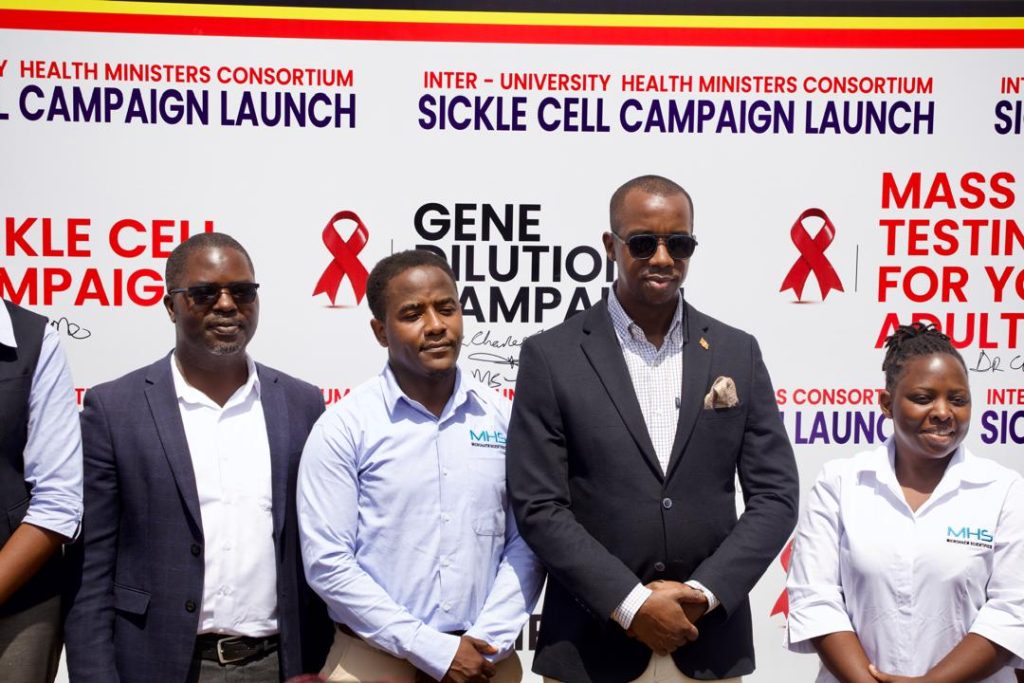
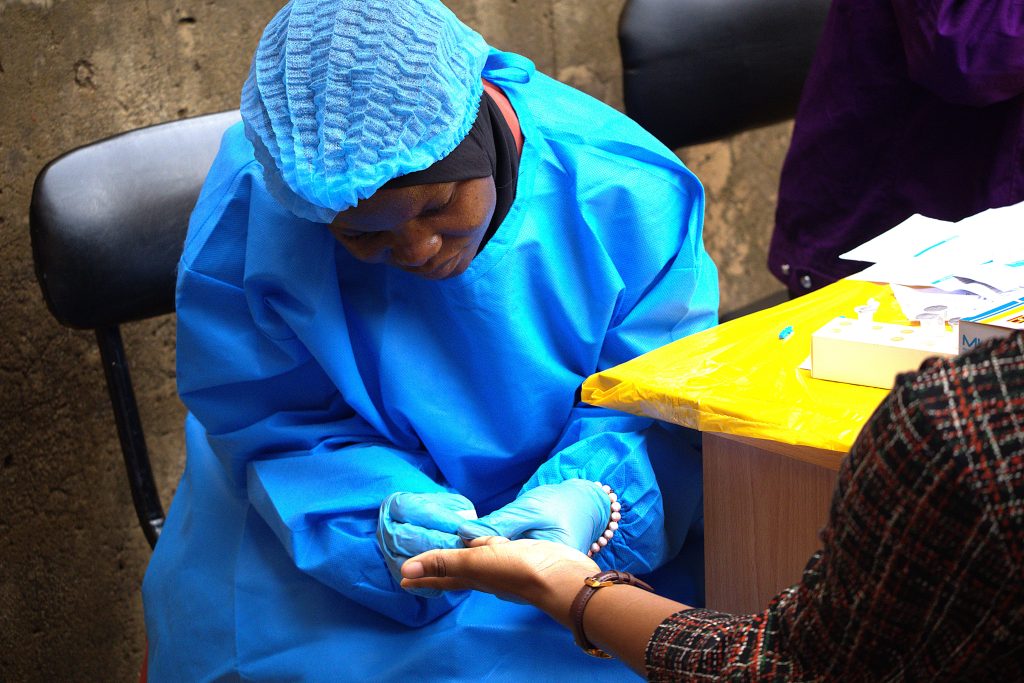
To support the nationwide campaign, Microhaem Scientifics donated more than 580 MicroScreen Sickle Cell HbA/HbS/HbC Rapid Diagnostic Tests for health camp activities at Makerere University and deployed its technical team to provide free genotype screening to over 400 students during the launch.
The MicroScreen Sickle Cell HbA/HbS/HbC Rapid Diagnostic Test is manufactured by MHS at its state-of-the-art facility in Uganda the first fourth-generation In Vitro Diagnostics (IVD) manufacturing plant in Africa. Designed for point-of-care use, the test accurately differentiates between HbA, HbS, and HbC in whole blood, delivers results within minutes without additional equipment, and has demonstrated 100% sensitivity and 100% specificity.
The test is one of three rapid diagnostic kits officially launched by the Ministry of Health to support Uganda’s national sickle cell screening programme, bringing high-quality, locally manufactured, Ministry-endorsed diagnostics closer to the communities and institutions that need them most.
By placing the MicroScreen test at the heart of the health camp, MHS transformed awareness into action. Students did not simply attend presentations about sickle cell disease they received free genotype screening and left with knowledge that can guide life-changing health and reproductive decisions. At Microhaem Scientifics, we believe that access to quality diagnostics is the foundation of disease prevention. By supporting young people to know their sickle cell genotype today, we are investing in healthier families and stronger communities tomorrow.
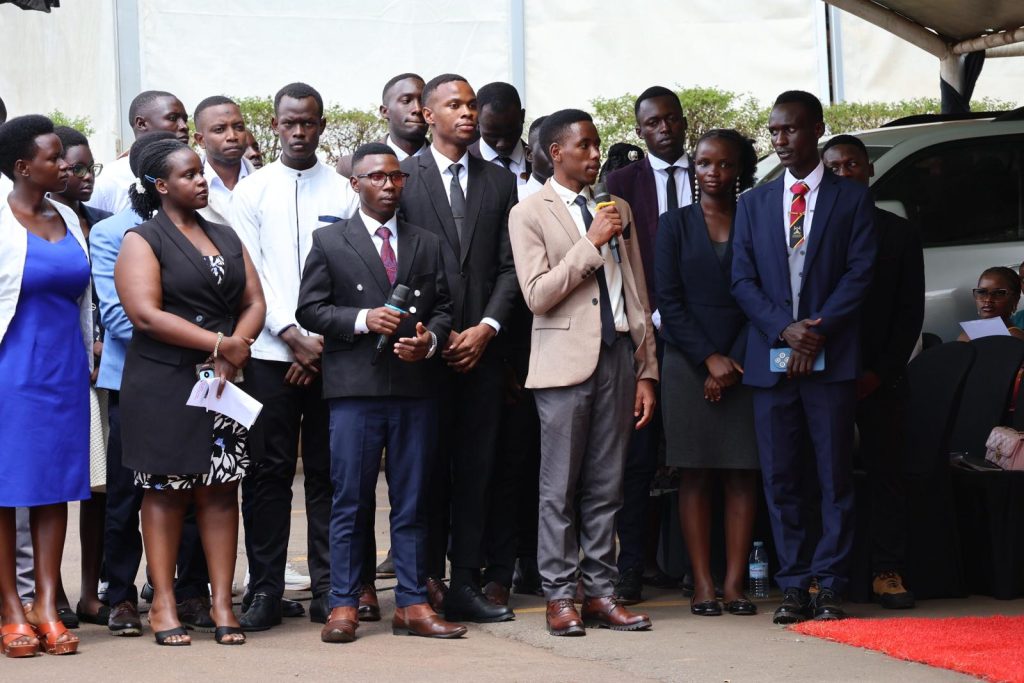
What makes this campaign particularly significant is its approach. Rather than positioning students as passive recipients of health information, it empowers them to become champions of change As Health Ministers representing institutions across Uganda, the student leaders committed themselves to spearheading awareness campaigns, organizing campus-based screening activities, and mobilizing their peers to know their genotype.
By equipping these student ambassadors with knowledge and access to the MicroScreen Sickle Cell Test, the campaign is creating a sustainable movement that extends well beyond a single launch event. It is building a generation of informed young leaders who will continue to promote prevention, early diagnosis, and responsible health choices within their communities. This reflects a principle that has always guided Microhaem Scientifics: sustainable health impact requires more than providing diagnostic kits it requires empowering people with knowledge and the tools to act on it.
Why Knowing Your Genotype Matters
A key objective of the campaign is to ensure that more young Ugandans know their sickle cell genotype before making informed decisions. Uganda bears the fifth-highest burden of sickle cell disease globally and the third highest in Africa, with an estimated 13–15% of the population carrying the sickle cell trait. Approximately 20,000 children are born with sickle cell disease each year, many to parents who were unaware they carried the trait.
Knowing one’s genotype transforms uncertainty into informed choice. It empowers individuals to make responsible reproductive decisions, reduces the likelihood of children being born with sickle cell disease, and contributes to healthier families and stronger communities.
Local Manufacturing, National Impact
Microhaem Scientifics is proud to stand alongside the Ministry of Health, Uganda’s higher education institutions, healthcare professionals, development partners, and student leaders in advancing this important national initiative.
The locally manufactured diagnostic tests demonstrate that Uganda’s investment in health innovation is no longer an aspiration it is a reality. Every kit produced represents the country’s growing capacity to manufacture high-quality diagnostics that improve access to healthcare while strengthening national health security.
As the nationwide campaign expands to more universities and communities across the country, Microhaem Scientifics remains committed to advancing partnerships, expanding local production, and delivering innovative diagnostic solutions that improve lives.
Know Your Genotype. Make Informed Decisions. Protect Future Generations.

