
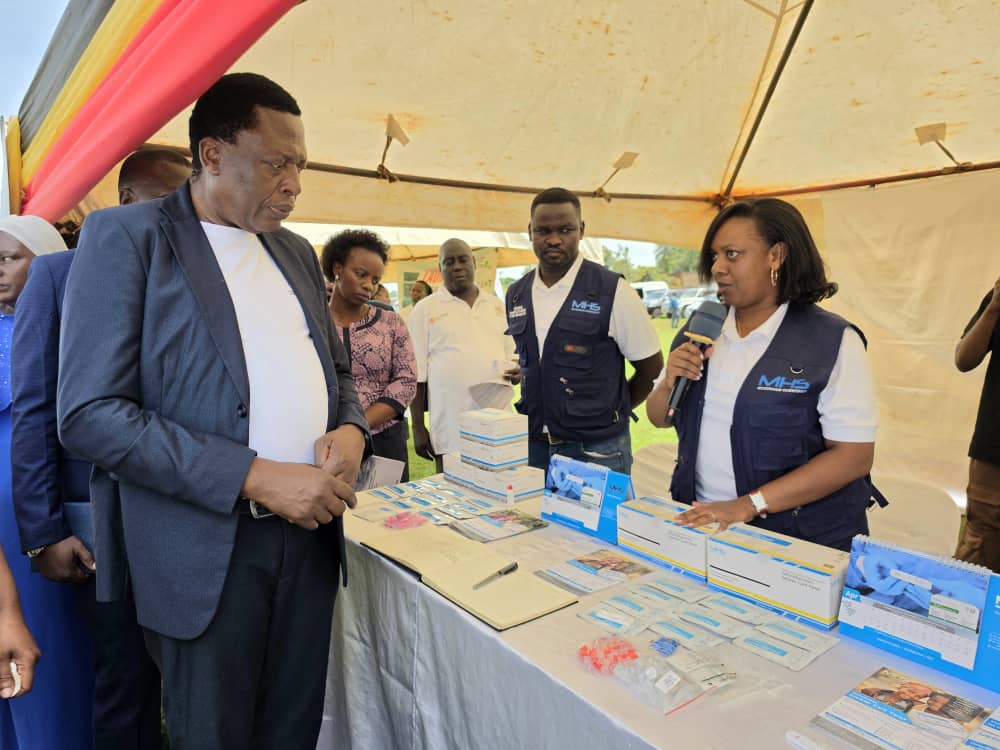
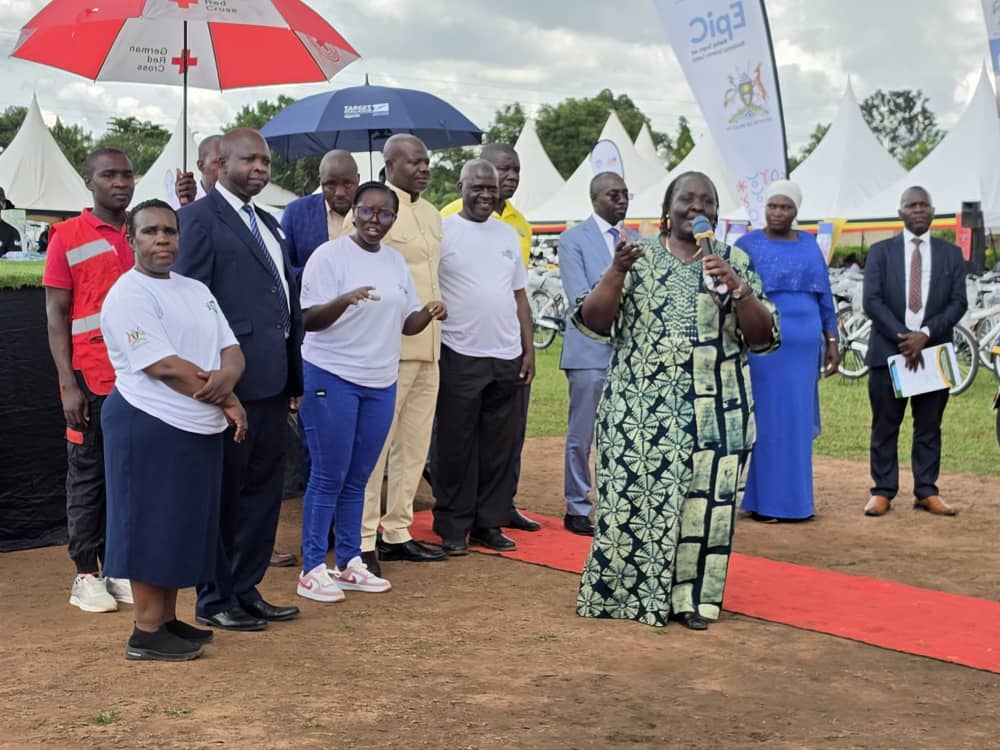
Microhaem Scientifics (MHS) joined the Government of Uganda and global health partners in commemorating World Malaria Day 2026, held in Bulamagi Sub- County, Iganga District, under the global theme “Driven to End Malaria: Now We Can. Now We Must” and Uganda’s national call for “Zero Malaria Deaths.” The commemoration brought together national leadership, development partners, and the private sector to reaffirm collective commitment toward ending malaria and strengthening health systems through coordinated, data-driven action.
The World Malaria Day 2026 commemoration was officiated by Prof. Dr. Charles Olara, Director General of Health Services, and graced by Her Excellency Speciosa Wandira Kazibwe, Africa’s first female Vice President and current Senior Presidential Advisor for Population and Health. Their presence underscored the importance of sustained leadership in advancing Uganda’s public health agenda. Their participation, alongside district leadership and sector stakeholders, reinforced the urgency of accelerating progress toward malaria elimination and improving health outcomes across communities.
In the lead-up to the commemoration, MHS participated in the launch and dissemination of the Uganda Malaria Elimination Strategic Plan 2025–2030, marking a significant and decisive national shift from malaria control to elimination, and reinforcing the urgency for sustained leadership, investment, and innovation. The strategy outlines a data-driven and results-oriented approach, with key priorities including:
- Achieving zero malaria-related deaths
- Reducing malaria incidence significantly
- Transitioning high-burden districts toward pre-elimination status by 2030
At the national commemoration, Microhaem Scientifics highlighted its contribution to malaria elimination through the local production and manufacturing of high-quality diagnostic solutions. The organization’s engagement was demonstrated through the following key interventions:
- Showcasing of Locally Manufactured Kits:MHS demonstrated its locally developed malaria diagnostic kits at the exhibition booth, where stakeholders, including the Chief Guest, engaged with the team and observed innovations designed to improve diagnostic accuracy and accessibility.
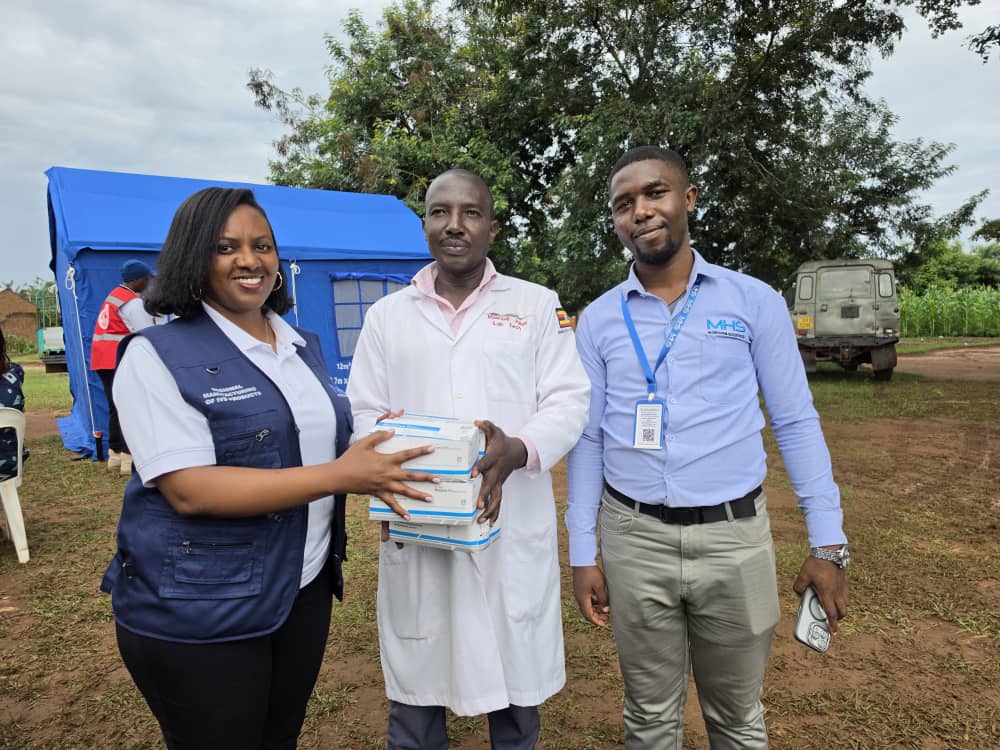
- Health Systems Support:As part of its commitment to improving community health, MHS donated malaria and HIV diagnostic kits on-site to health workers of Nakavule Main Hospital in Iganga District, as part of strengthening access to essential diagnostic services.
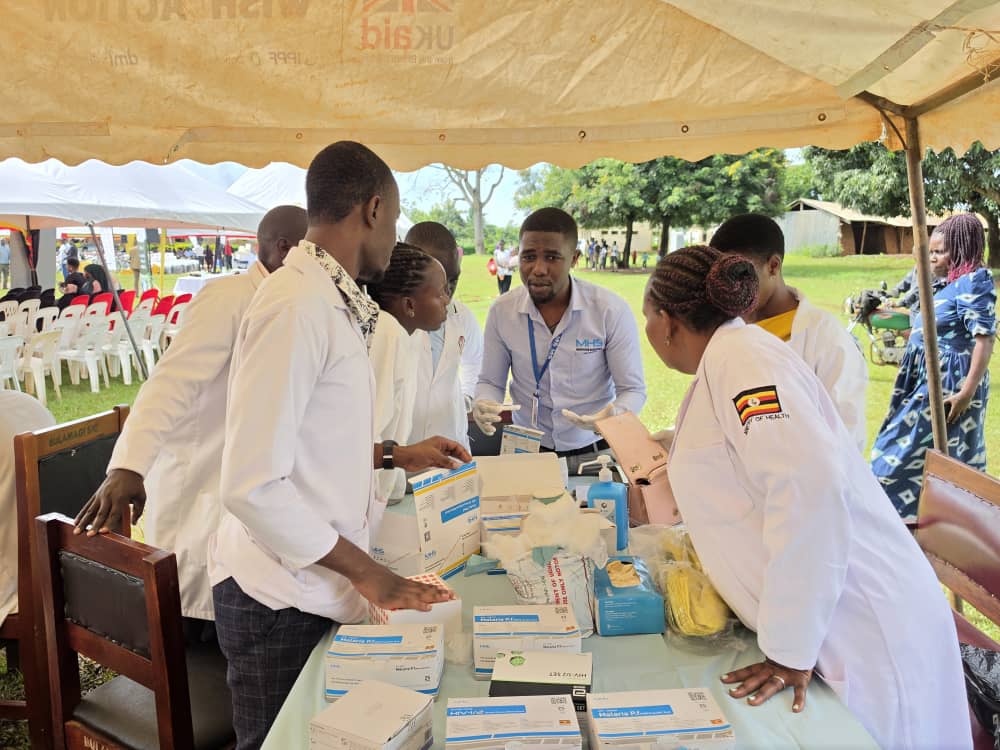
- Capacity Building:The MHS technical team conducted on-site training for healthcare workers to enhance competence in the use of rapid diagnostic technologies at the point of care. The team also equipped frontline health workers with the skills required to effectively use these technologies, strengthening point-of-care testing and improving service delivery.
Microhaem Scientifics acknowledges the leadership of the Ministry of Health, Uganda, and the continued collaboration with global and regional partners, including the World Health Organization and the RBM Partnership to End Malaria, whose coordinated efforts remain critical in advancing malaria elimination. The commemoration and related engagements also highlighted persistent challenges that continue to affect progress, including missed diagnoses, treatment without confirmed testing, and gaps in data capture, all of which underscore the need for stronger diagnostic systems and more integrated health responses.
As World Malaria Day concludes, Microhaem Scientifics reaffirms its commitment to supporting Uganda’s malaria elimination agenda through sustained innovation, local manufacturing, and strategic partnerships. Accurate and timely diagnosis remains a critical foundation in the fight against malaria, and by strengthening access to reliable diagnostic solutions, the organization continues to contribute to improved patient outcomes, stronger health systems, and the long-term goal of eliminating malaria as a public health threat.

